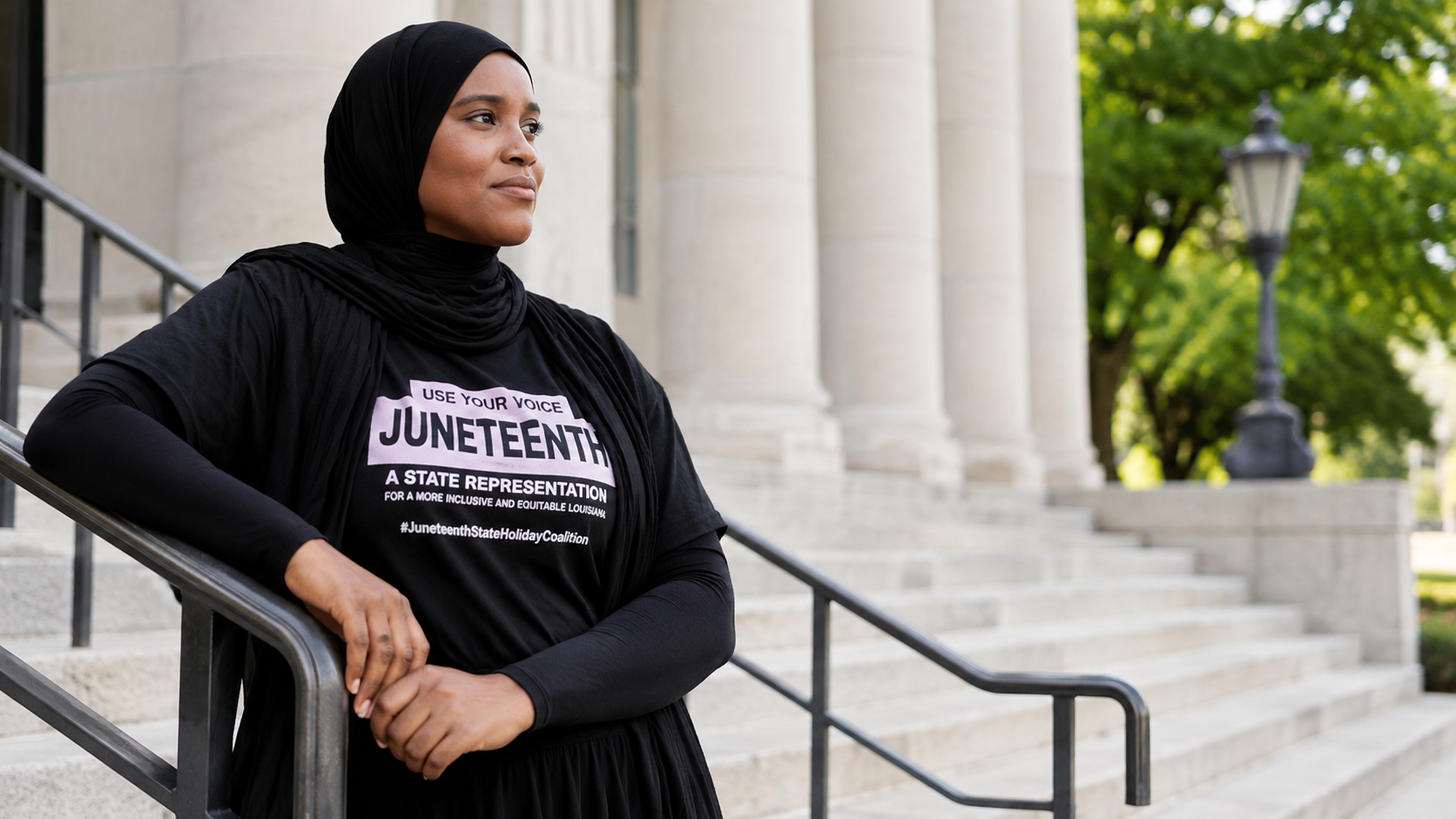
COLUMBUS, Ohio — State Rep. Munira Abdullahi is officially entering the 2027 Columbus mayoral race, adding a third prominent Democratic candidate to a contest increasingly shaped by questions about affordability, neighborhood investment and who city government serves.
Abdullahi, a Democrat representing Ohio House District 9, announced her candidacy at a Friendsgiving gathering Saturday, Nov. 21, joining Mayor Andrew Ginther and Columbus City Council President Shannon Hardin in the race for the city’s top elected office.
Her campaign is built around a central argument: Columbus residents should have a greater voice in decisions affecting their neighborhoods, housing, transportation, public safety, and the cost of living.
Abdullahi has criticized what she describes as a City Hall culture too closely aligned with corporate interests, arguing that working families, renters, seniors and residents in underserved communities have not received sufficient attention.
She has pointed to several city decisions as examples of what she believes should change, including the handling of McCoy Park, delays involving the LinkUs bus rapid transit initiative and the city's response to homelessness.
The McCoy Park controversy has become one of her campaign's central talking points. Abdullahi has criticized the city's handling of the park and the public investment associated with the development surrounding Columbus' professional women's soccer initiative, arguing that neighborhood residents should not lose access to public resources without meaningful consideration of their needs.
She has also raised concerns about delays in advancing promised rapid transit improvements along West Broad Street and East Main Street, projects she says could improve transportation access for residents who depend on public transit.
Her campaign outlines five major priorities: affordability, infrastructure, public safety, transportation and government accountability.
On affordability, Abdullahi says the city must do more to expand access to affordable housing, protect renters, support workers and help seniors remain in their communities.
Infrastructure is another focus, with an emphasis on sidewalks, road safety, neighborhood maintenance and basic services that directly affect residents' everyday lives.
Her public safety platform emphasizes youth employment, community programming and violence prevention, arguing that investments in young people and neighborhood resources should be part of a broader strategy to make communities safer.
Transportation is also a major issue. Abdullahi has called for moving forward with promised bus rapid transit improvements and advancing broader transit options for Columbus residents.
She has also proposed greater community engagement within city government, including establishing an office focused on ensuring residents have opportunities to participate in decisions before major policies and projects are finalized.
Abdullahi, 30, grew up in Columbus after arriving in the United States as a young child from a refugee camp in Kenya. She attended Columbus City Schools, graduated from Columbus Alternative High School and earned a degree from The Ohio State University.
She was elected to the Ohio House in 2022 and represents District 9, which includes portions of northeast Columbus. Her legislative work has included housing policy, workforce and education issues, health-related affordability concerns, and funding for menstrual products in Ohio schools.
The mayoral race now includes three major candidates with different political records and approaches to city leadership.
Ginther is seeking a fourth term and has emphasized economic development, housing initiatives, wage growth, and public safety during his tenure.
Hardin, who announced his campaign in August, has sought to distinguish himself from the administration he has worked alongside for years, arguing that Columbus needs a different approach to leadership and decision-making.
Abdullahi is positioning herself as a challenger to the city's political establishment, arguing that residents should have a stronger influence over how public dollars are spent and how neighborhood priorities are addressed.
The Columbus mayoral election is nonpartisan. If more than two candidates qualify for the ballot, voters will select the top two candidates in the May 4, 2027, primary. Those finalists will advance to the Nov. 2, 2027, general election.
Candidates must meet ballot qualification requirements, including collecting the required valid signatures and filing by the applicable deadline.
Abdullahi's entry adds another dimension to a race that will likely test how Columbus voters weigh economic development, neighborhood investment, public transportation, housing affordability, and the direction of City Hall.
For residents, the election could ultimately become a debate over whether the city's growth is translating into tangible improvements in the communities where people live, work, and raise families.